Speed to Lead for Medical Practices: The 5-Minute Call
Healthcare has the slowest lead response time of any industry. Here is the trigger-by-trigger workflow that calls every new patient inquiry back inside five minutes and books in the same call.
| Greetmate
Every retention motion a practice runs — recall lists, reactivation calls, post-visit check-ins — is outbound work, and outbound work always loses to the ringing phone. That one constraint is why most patient retention strategies stall by week three: they depend on someone finding a free minute at 4 p.m., and that minute never comes.
Patients notice the gap. They notice when a question sits unanswered for two days, when nobody calls after a missed appointment, when the recall postcard is the only contact they get all year. Practices notice too — in a thin hygiene schedule, treatment plans that never got accepted, and a dormant-patient list untouched since 2023.
This article covers seven patient retention strategies that run without the free minute: reactivation, recall, post-visit check-ins, no-show recovery, follow-up completion, feedback capture, and interval reminders. Each comes with the automation behind it — where the list comes from, what triggers the outreach, what the workflow does, and what gets written back.
Table of Contents
Key Takeaways:
Patients rarely leave a practice over the quality of care. They leave over what happened — or didn't happen — between visits. In Tebra's 2025 patient perspectives survey, 31% of patients who had left a provider cited a slow or missing response to their questions, and 29% cited a lack of follow-up. Six in ten switchers were describing phone problems.
The cost math is blunt. Acquiring a new patient runs five to seven times more than retaining an existing one, and 43% of healthcare executives say they lose more than 10% of revenue to patients going elsewhere. A practice that funds acquisition while the back door stays open is paying premium prices to replace patients it already won.
Most advice on how to improve patient retention focuses on the visit itself — the waiting room, the greeting, the checkout. The visit is a small fraction of the relationship. The rest of the year is handled by whoever answers the phone and by whatever outreach actually goes out. That is where retention is won or lost, and it is an operations problem before it is a marketing one.
Here is the constraint the listicles skip. Every retention motion is outbound work, and outbound work competes with inbound work for the same people. Ten patients call at once; one receptionist can answer one of them. When the phones are busy — and in a healthy practice the phones are always busy — the recall list loses every time. Nobody is choosing to ignore it. The list just never wins.
There is a second constraint: where the work starts. Retention motions begin with a status change — a patient marked no-show, a hygiene interval elapsing, a treatment plan sitting open. EHR APIs often don't fire a usable trigger when those things happen. So a workflow needs a starting point that actually exists: flagged rows in a spreadsheet the practice already keeps, a calendar event, or an EHR trigger where the API supports one. Both paths work, and the right one gets confirmed during scoping.
Every retention motion is the same machine: a list, a trigger, an outbound call or text, and a write-back. Build all four parts and the motion runs on a schedule. Leave one out and it runs on whoever remembers.
The gap is large when these motions don't run. Healthy dental practices keep 60–75% of their patient base active; most run well below that, and the difference shows up in the schedule months before anyone names it.
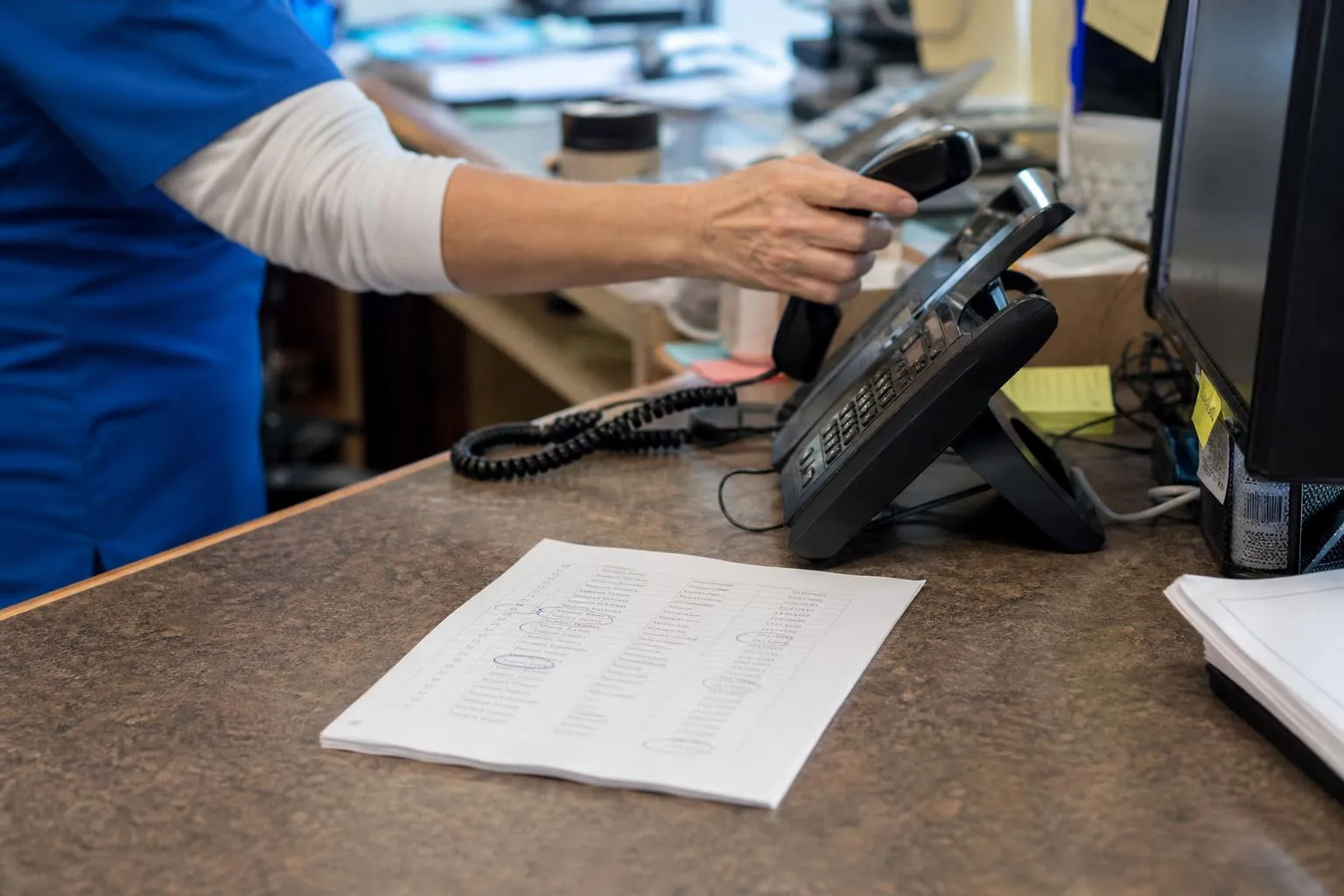
A dormant-patient list is the cheapest growth asset most practices own. Reactivating a lapsed patient costs roughly 20% of what acquiring a new one does, and phone-based reactivation converts about 20–30% of recently lapsed patients and 10–15% of long-lapsed ones. One list, two very different campaigns.
Segment first. Recently lapsed patients (6–18 months) still remember the practice and convert at the top of that range. Long-lapsed patients need more touches and a stronger reason to come back.
The automation: the workflow reads the dormant list — an EHR export or flagged spreadsheet rows — and calls in batches on a set interval. No answer means a short voicemail plus a follow-up text. Every call attempts to book, and every outcome writes back to the list so nobody gets called twice by accident.
Multi-touch is where the results live. 2019 ALOHA data reported by Brevium found that four to five contact attempts across multiple methods lifted reactivation rates by 81%, and more than 20% of lost-to-follow-up patients returned 30 or more weeks after the first contact. Persistence converts. No front desk has the hours to stay persistent across a 900-name list; a scheduled workflow does it by default.
We wrote a full guide to building the recall program itself — the patient recall system most practices don't actually run — so this section stays on the automation layer that keeps it running.
Recall is interval-based: dental recall runs on the hygiene cycle, medical recall on annual exams or the specialty's own cadence. Every patient has a next-due date, and the workflow watches those intervals. When one comes due, the call goes out. Patients who don't answer get an SMS fallback with a booking path, and patients who book get written back to the schedule where the EHR supports it.
The size of the opportunity: only about 60% of hygiene patients rebook within 12 months. Recall exists to close the other 40%, one interval at a time.
The front desk stays central to everything that becomes a real conversation — insurance questions, scheduling conflicts, "can I see Dr. Alvarez instead." What changes is that the first three touches no longer require a person.
A short call or text 24 to 48 hours after a visit does three operational things. It asks whether the follow-up appointment ever got scheduled. It asks whether any question from the visit went unanswered. And it asks whether anything needs a callback from the practice.
This is communication completion — the administrative loose ends of a visit. Clinical follow-up belongs to the practice's clinical team. This workflow's job is making sure a patient who needs to reach someone actually does.
The automation: the visit date triggers an outbound touch, from the calendar or the EHR where it supports one. A structured question flow keeps it short. Responses that flag a problem route to staff with the context attached, so the callback starts from the patient's actual question instead of a cold "you asked us to call?"
Most practices never place these calls, for a boring reason: there is no list of yesterday's visits unless someone builds one. A workflow that reads the calendar builds it every day, and the check-in happens because the schedule says it happens.
A no-show is usually handled as a billing event — a fee, a note in the chart. It is a retention event first. The patient had an appointment and the intent behind it, and both cool fast. The window to rebook is the same day, while the reason they booked still exists.
The automation starts at the status change. A patient gets marked no-show — a flagged row in a spreadsheet the front desk fills, or an EHR status change where the API supports one; both paths work, and the right one is confirmed during scoping. The workflow calls within the hour, offers the next openings, and follows with an SMS booking path if the call doesn't connect.
Reminder data supports the channel mix. Vendor-published figures put no-show reduction at roughly 38% for SMS reminders and 29% for automated voice calls — directional numbers from a reminder vendor, but the pattern holds across the research: reminders work, and layered channels work better.
Reported no-show reduction by reminder type (vendor-published)
We covered the full rebooking workflow — timing, scripting, and handling repeat no-shows — in how to reduce no-show appointments with same-day rebooking.
Every visit opens loops: a treatment plan proposed but not accepted, a question deferred to billing, a scheduling decision parked until payday. Retention follow-up means closing those operational loops. Clinical follow-up — anything about how a patient is doing — belongs to the practice's clinical team.
The gap is measurable. The average dental case completion rate sits at 42%. Most open cases are not patients who said no. They are patients who went home to think about it, and nobody ever called back.
The automation: a list of open items — treatment-plan rows, unanswered-inquiry flags, pending-decision markers — feeds a call-and-text sequence. Each item gets touched on a schedule until it closes: appointment booked, question answered, or patient declines. Declines get logged so the item doesn't resurface next month. That is patient follow-up management as a process instead of a memory game that competes with the phones all day.
Feedback requests work when the visit is fresh. An ask that arrives three weeks later by email competes with everything else in the inbox and loses.
The automation: a post-visit trigger fires a short outreach — and here a text is usually the right tool, not a call. A one-question SMS check gets answered. A phone call asking for a review feels like a sales call and gets skipped. Knowing when not to use the voice channel is part of designing the workflow correctly.
Routing is the retention piece. Responses that flag a problem go to a manager before the patient ever thinks about a public review site — an issue caught on Tuesday becomes a resolved callback instead of a one-star Wednesday. Happy responses get the review link while the good experience is still fresh.
The outcomes are operational: feedback captured, issues routed, reputation defended. No separate survey platform needed. It is one more trigger and one more short workflow on the same machine as the other six.
The simplest motion in the set. Every patient type has a natural interval — annual exams, six-month hygiene, the practice's own recall cadence for its specialty. Time-based reminders fire a set number of days before the interval closes, offer openings on the same call, and book on the spot, with the appointment written back to the schedule where the EHR supports it.
This is the cheapest retention motion a practice can run, and the one most often delegated to postcards. Postcards arrive. They get read sometimes. They don't book anything. A reminder that ends with "we have Tuesday at 9 or Thursday at 2 — which works better?" converts in the same breath. Recall outreach stops being a passive notice and becomes a booking conversation.
Interval rules get configured once and then run: per patient type, per location, per provider where it matters. That makes anniversary and preventive reminders the easiest first workflow for a practice testing automation — low stakes, obvious math, and results visible in the schedule within a cycle or two.
All seven motions run on the same machine: the list, the trigger, the outbound touch, the write-back. Build it once and the retention program runs on intervals instead of staff willpower. Nobody has to remember the dormant list. Nobody has to go find the no-show report. The work happens because the schedule says it happens.
For multi-location groups, this is where it compounds. The same workflows run standardized across every site — one recall cadence, one reactivation policy, one check-in flow, with local schedules and providers underneath. Leadership gets reporting that shows what came in and what it produced: calls placed, appointments booked, lists reactivated, loops closed, per location, over time.

This is the layer Greetmate builds. Greetmate is voice and SMS AI infrastructure for healthcare operations, delivered as a tech-enabled service: we scope the workflows with you, build and test them before go-live, and someone guides the rollout from first call to steady state. The workflows connect to the systems the practice already runs — dozens of EHRs plus the calendars, inboxes, and spreadsheets around them — so staff keep working where they already work. Greetmate is HIPAA-ready, with a BAA available, and patient information moving through the workflows runs under the safeguards that come with it.
If you want to see how the pieces fit before committing to a build, the platform page walks through the workflow builder, routing, and reporting in one place.
Start with the four parts every retention motion shares: a list, a trigger, an outbound call or text, and a write-back. Segment patients by stage — due for recall, recently lapsed, long-lapsed, no-show, open treatment plan — then build one workflow per stage and let each run on its own interval. Anything that depends on staff availability is a memo. Anything on a schedule is a program.
Recall is interval-based: the patient is due on a schedule, and the outreach reminds them. Reactivation is lapse-based: the patient is overdue by months, and the outreach has to rebuild a little of the relationship. Different lists, different messaging, different cadence — which is why we treat them as separate programs in the recall system guide and in Strategy 1 above.
They work when they run, and the data favors persistence. Four to five contact attempts across channels lifted reactivation rates by 81%, and with only about 60% of hygiene patients rebooking within 12 months, the unbooked 40% is the whole opportunity. Automation's job is making the attempts happen at all. A call-down list that depends on a free afternoon usually stops at attempt one.
Automated outbound calls, including calls made with an AI voice, fall under the TCPA — artificial-voice rules, consent, and opt-out requirements apply, and some state rules reach recall outreach to existing patients. The practice owns its calling policy. Confirm consent and opt-out handling with counsel before launching; the note at the end of this article covers the basics.
Practices do not lose patients to bad care. They lose them to questions that went unanswered and follow-up that never happened — the exact reasons 31% and 29% of switchers gave in Tebra's 2025 survey. Every strategy in this article closes that gap the same way: a list, a trigger, a call or a text, and a write-back, running on intervals instead of on whoever has a free minute.
Greetmate builds that machine — healthcare voice and SMS AI infrastructure with a managed rollout. You bring the lists and the intervals. We scope, build, and test the workflows before go-live, guide the launch, and connect everything to the systems you already run. Then leadership sees what the workflows produced: appointments kept, lists reactivated, loops closed.
Want it mapped to your own call flows? Book a demo and we'll walk your first workflow through the builder on the call.
Reduce front-desk call volume and improve patient communication.
Go live in hours with done-for-you setup.
A note on automated outreach. Automated outbound calls and texts — including calls made with an AI voice — are regulated under the TCPA, which treats an artificial voice as subject to its consent and opt-out rules. Some state rules also reach recall and reactivation outreach to existing patients. Your practice owns its calling policy: confirm consent requirements, opt-out handling, and state-specific rules with your counsel before launching any automated outreach program.
Find helpful articles in our blog that are all about business, customer service and AI technology.
Healthcare has the slowest lead response time of any industry. Here is the trigger-by-trigger workflow that calls every new patient inquiry back inside five minutes and books in the same call.
Every practice has an overdue-patient list nobody has the hours to call. Here is the row-by-row workflow that works it down, starting from the export you already have.